







Electronics: Expanding the boundaries of battery-powered vehicles
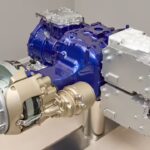
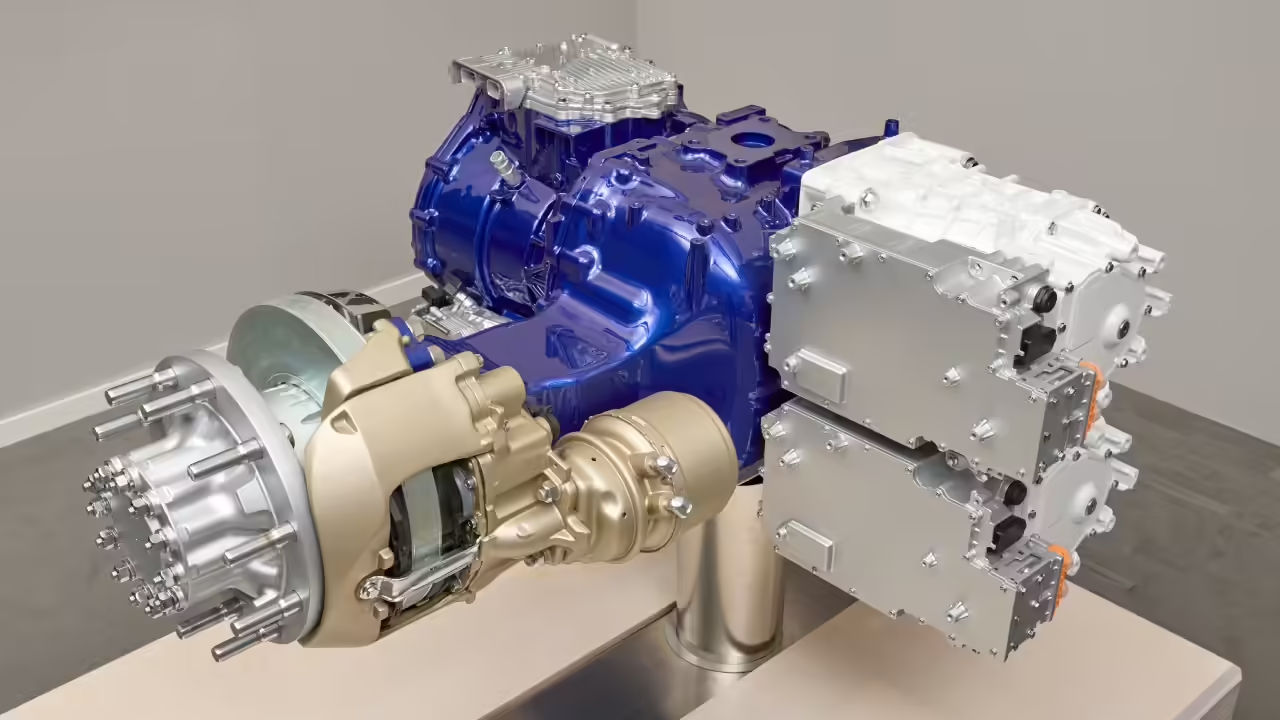
The highlight of the event was the new Volvo FH Aero Electric with Extended Range. Designed specifically for long-distance operations, the vehicle features a new e-axle system that combines two electric motors with a six-speed electric gearbox at the rear. This packaging solution frees up space inside the chassis, allowing Volvo to install eight battery packs with a combined capacity of 780 kWh.
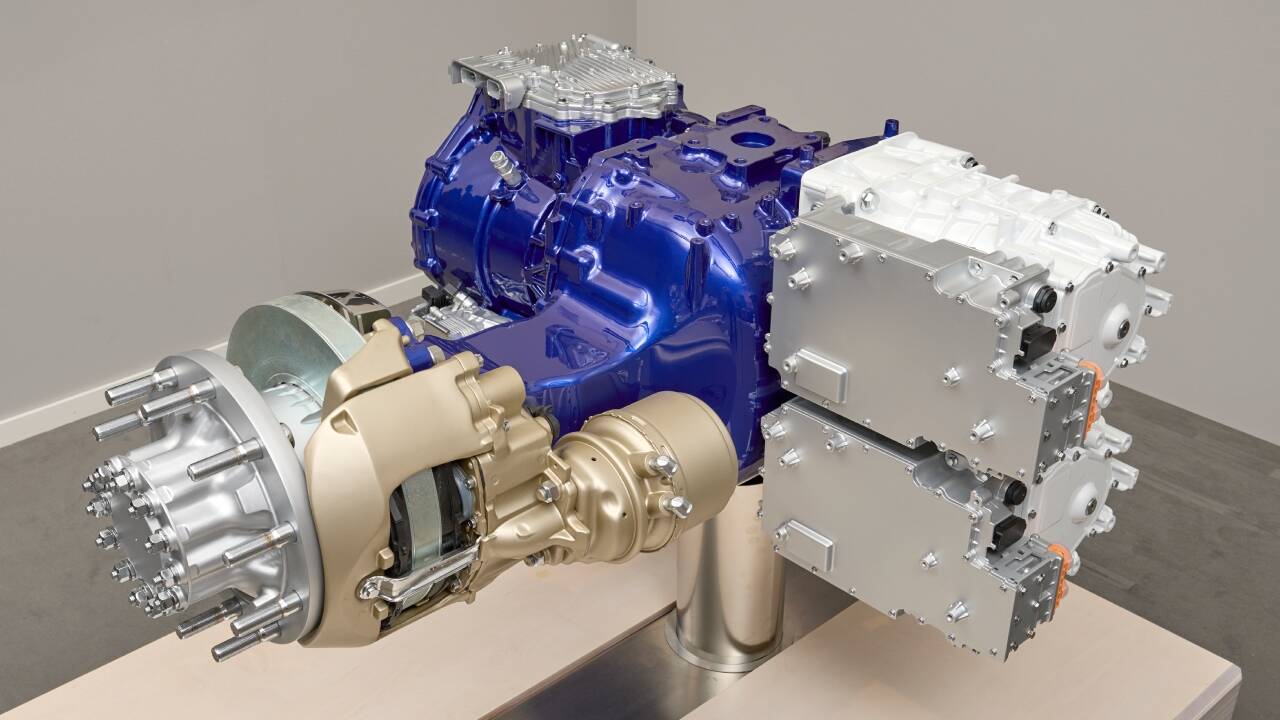
Volvo’s E-axle.
The result is a drive of up to 700 km on a single charge, making it one of the longest-range electric vehicles announced so far.The electric drive produces up to 623 hp, while the maximum weight reaches up to 48 tons. The payload can go up to 28 tons depending on the configuration.As for charging capabilities, the car supports the new standard Megawatt Charging System (MCS) with a speed of up to 700 kW. Volvo says the battery can be charged from 20 to 80 percent within 50 minutes. It also supports 350 kW CCS for fast charging, which requires about 85 minutes in the same charging window.
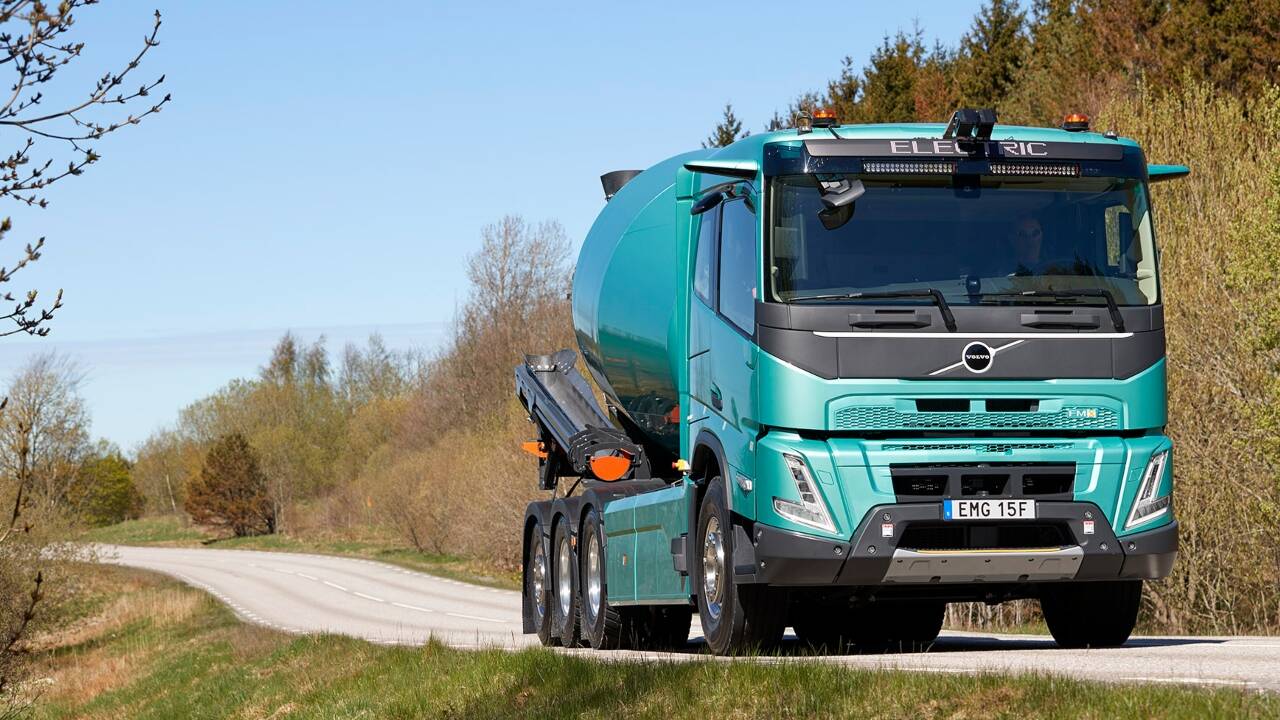
Alongside the FH Aero Electric, Volvo also launched the modified FH, FM and FMX Electric vehicles. These models focus on regional distribution, infrastructure, urban management, waste management and support services.The new generation cars use a dual-motor system combined with an eight-speed automatic gearbox and deliver up to 731 hp. The battery capacity is up to 540 kWh, providing a range of up to 470 km on a single charge. A notable addition is the integrated power take-off system, which allows physical equipment such as mixers, compactors and hook lifters to operate while the vehicle is moving, improving productivity in commercial operations.
Diesel: Cleaner: combustion remains important
Despite the increasing popularity of electric vehicles, Volvo believes that diesel powertrains will continue to play an important role in many markets during the transition.In support of this, the company unveiled a new 13-liter diesel engine platform called the D13.
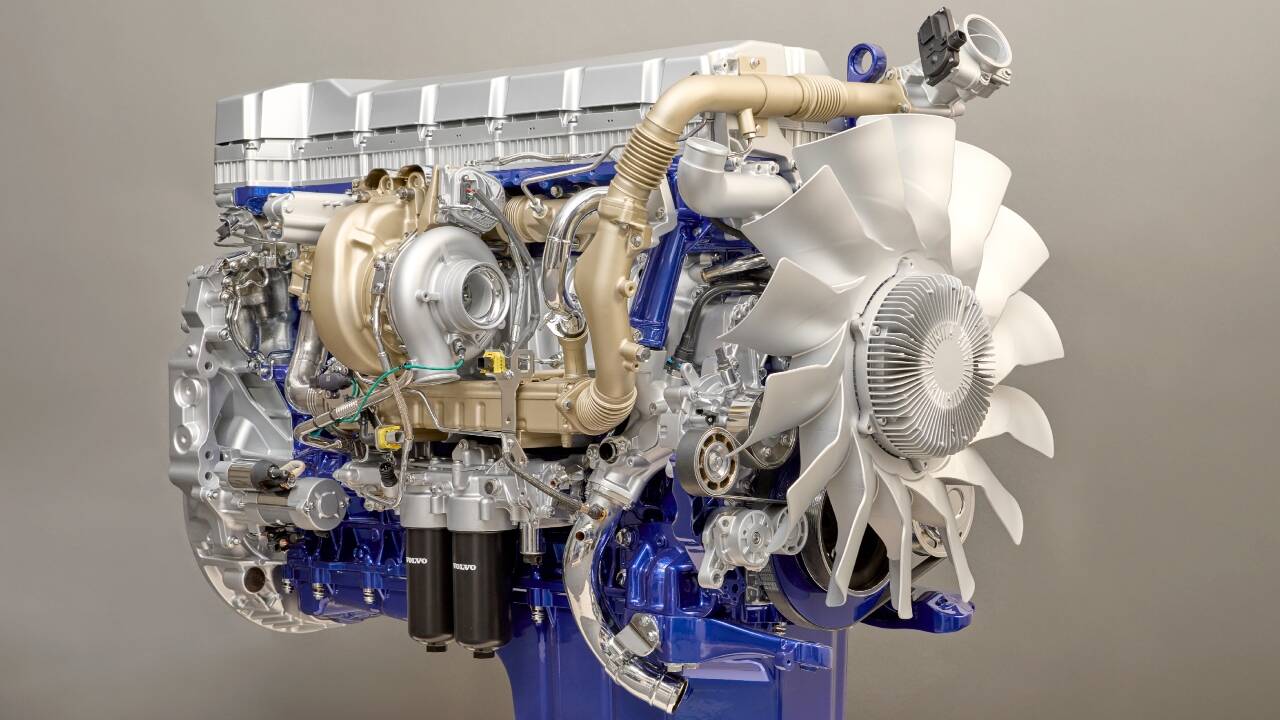
The new engine produces between 380 hp and 560 hp, with torque ranging from 1,800 Nm to 2,900 Nm. Volvo claims fuel consumption can be reduced by up to four percent compared to the previous D13 eSCR engine.Interestingly, this engine is compatible with conventional diesel, biodiesel (B100) and Hydrotreated Vegetable Oil (HVO). The D13 will be available across Volvo’s FM, FMX, FH and FH Aero ranges.
Gas: A renewable fuel option available today
Volvo also introduced the gas-powered G13 engine, which shares design features with the new D13 diesel engine. Designed to run on LNG and bio-LNG fuel, the G13 produces between 420 hp and 500 hp, while torque ranges from 2,400 Nm to 2,800 Nm.
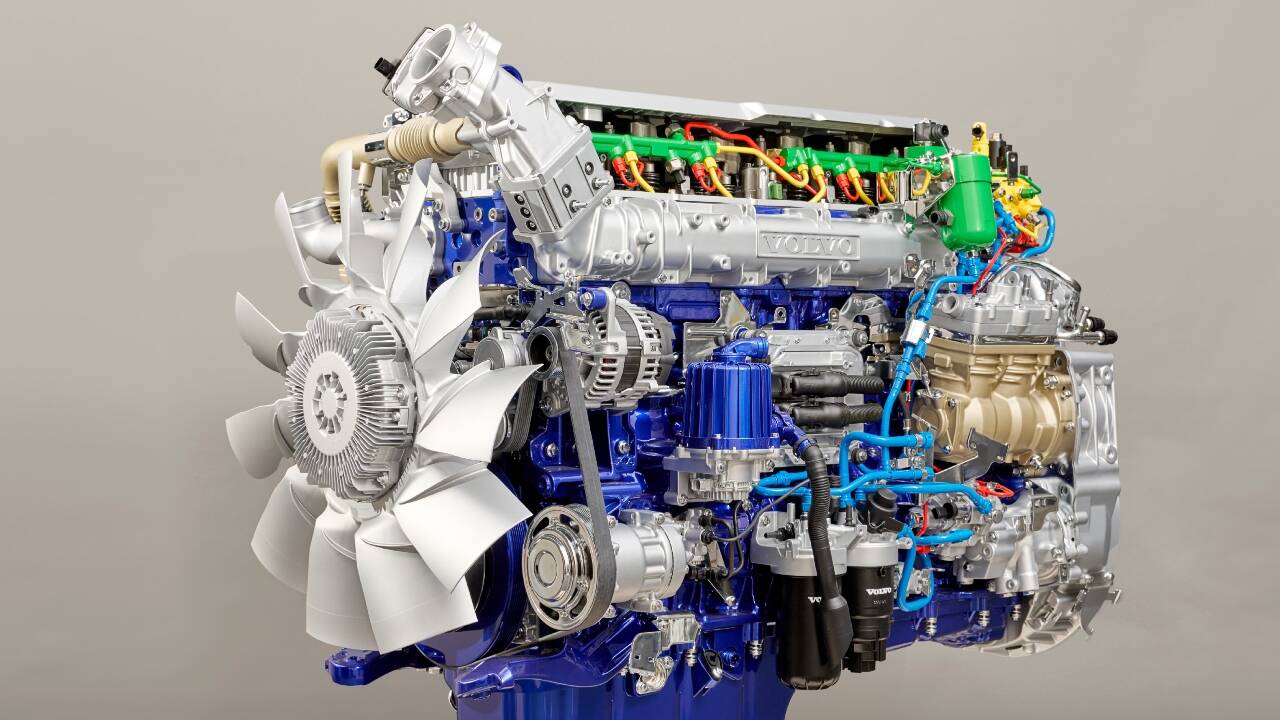
One of the main advantages of gas-powered vehicles is the ability to significantly lower their lifetime CO2 emissions when running on renewable bio-LNG. Like the D13, it will be offered across the FM, FMX, FH and FH Aero lines.Perhaps most importantly, the platform was designed with the future of hydrogen combustion in mind. Volvo has already begun testing hydrogen-powered combustion engines on public roads and plans to bring the technology to market later this decade.
Driving:
After the sightseeing and sightseeing, it was the most exciting part of the day. We got behind these cars, testing them both on the test track and a little bit on public roads.
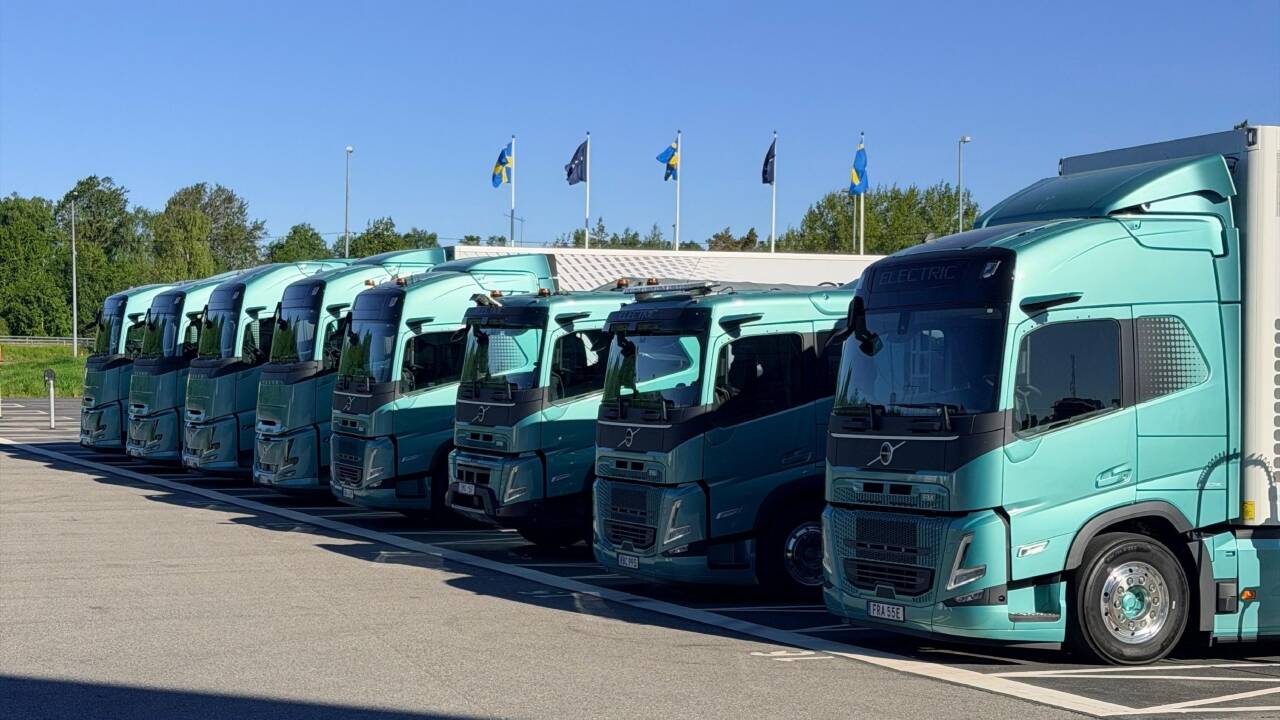
Both cars we drove were Electric, but the standout was the FH Aero Electric. This six-axle machine was intimidating to look at from the outside, but once behind the driver’s seat, things became surprisingly easy. Just looking at the rear view cameras that show all sides of the road around the car, along with the Adaptive GPS system, made driving the big car a lot easier.
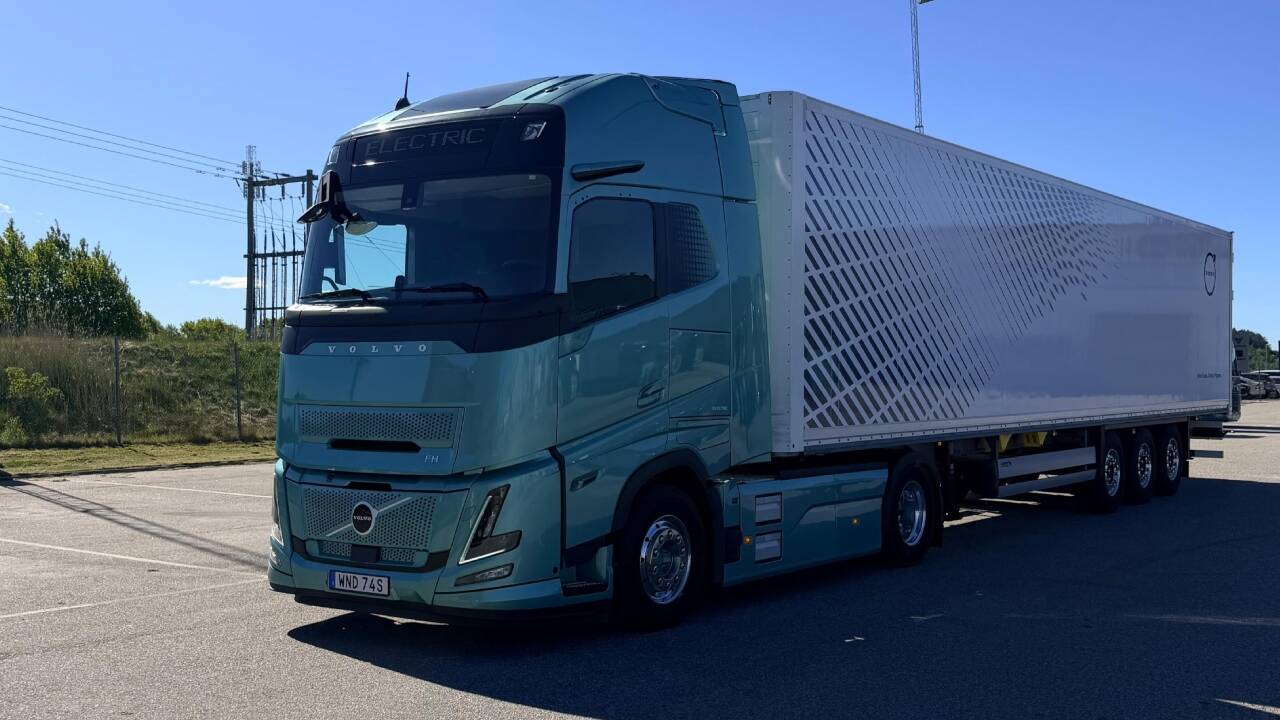
Having driven diesel cars & buses in the past, the biggest surprise to me was how easily the car got off the line thanks to the electric torque available at almost zero rpm. Even though the car was carrying a lot of cargo, it could easily navigate the highway. When passing through a hilly terrain, the GPS detects upcoming climbs and accelerates automatically and as soon as it detects a steep descent, the power is reduced to conserve power. Although our drive was limited in time and distance, one thing was clear. electric cars make sense for some things. Better than ICE sometimes!
Way forward
What Volvo showed us in Gothenburg was not just a collection of new cars and engines. It was about how the company sees the future of business.Instead of supporting a single technology, Volvo is pursuing a multi-electric powertrain that combines electric vehicles, renewable fuel engines and future hydrogen solutions.
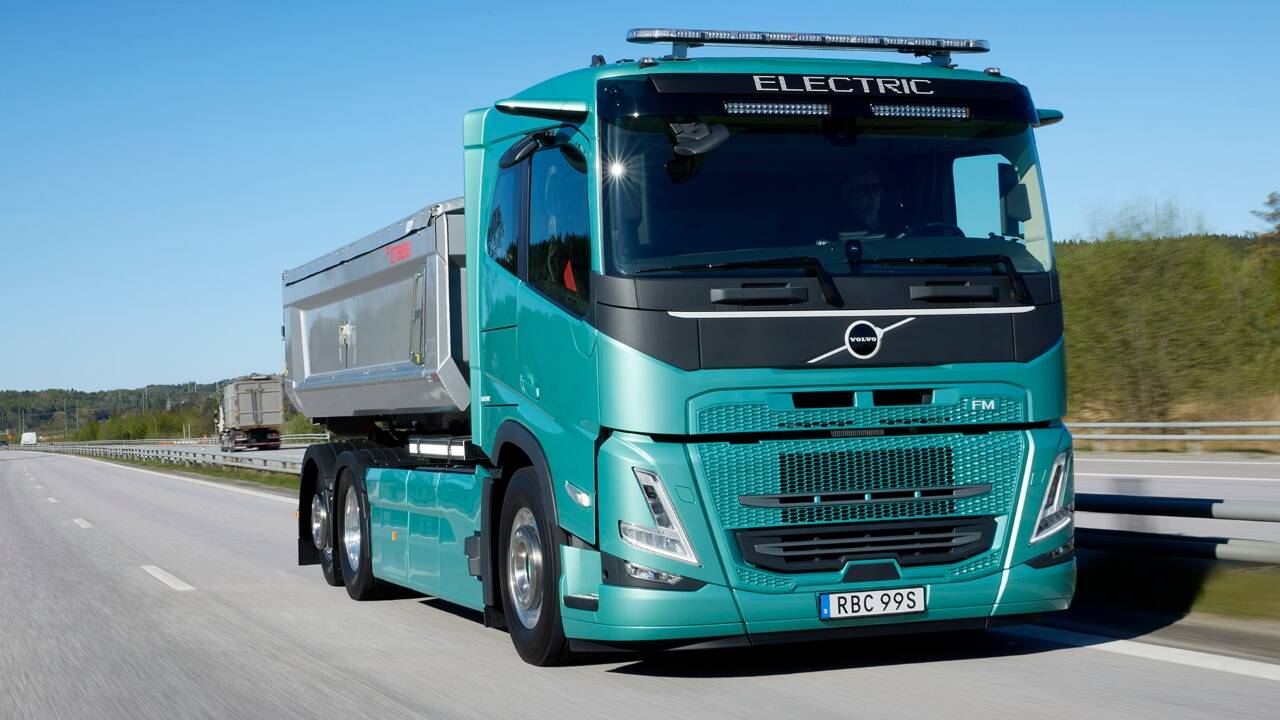
For markets like India, where charging infrastructure is still evolving and shipping requirements vary widely, such flexibility can be critical. All in all, it’s safe to say that a business move can be made with a number of technologies working together rather than replacing each other.