








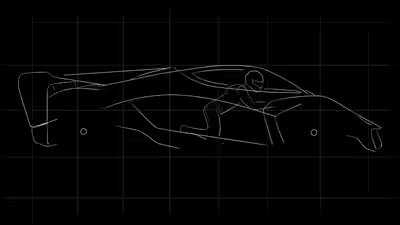
The new launch of the hypercar is a challenge to one of the most important aspects of automotive design. where the driver lives. Dutch brand Sanrivatti has unveiled what it calls the “Apex Position”, a front-wheel drive design that aims to create a central connection between the driver and the machine.The idea sounds simple. Assemble the driver forward, tilt the body and adjust the view. However, the thinking behind it goes deeper than that. While today’s hypercars continue to sport high power outputs, advanced aerodynamics and advanced electronics, Sanrivatti believes driving can be revolutionized by rethinking the driver’s position inside the car. The company says its new concept draws inspiration from high-performance motorcycles, where the rider is more involved with the machine and directly connected to its performance.
What does Apex have?
According to Sanrivatti, the Apex Position puts the driver in a more upright and centered position compared to a conventional hypercar. Most performance cars place the driver behind the front axle in the passenger compartment. The new design, however, moves the driver closer to the action and has been designed to improve looks, vehicle positioning and action behind the wheel.
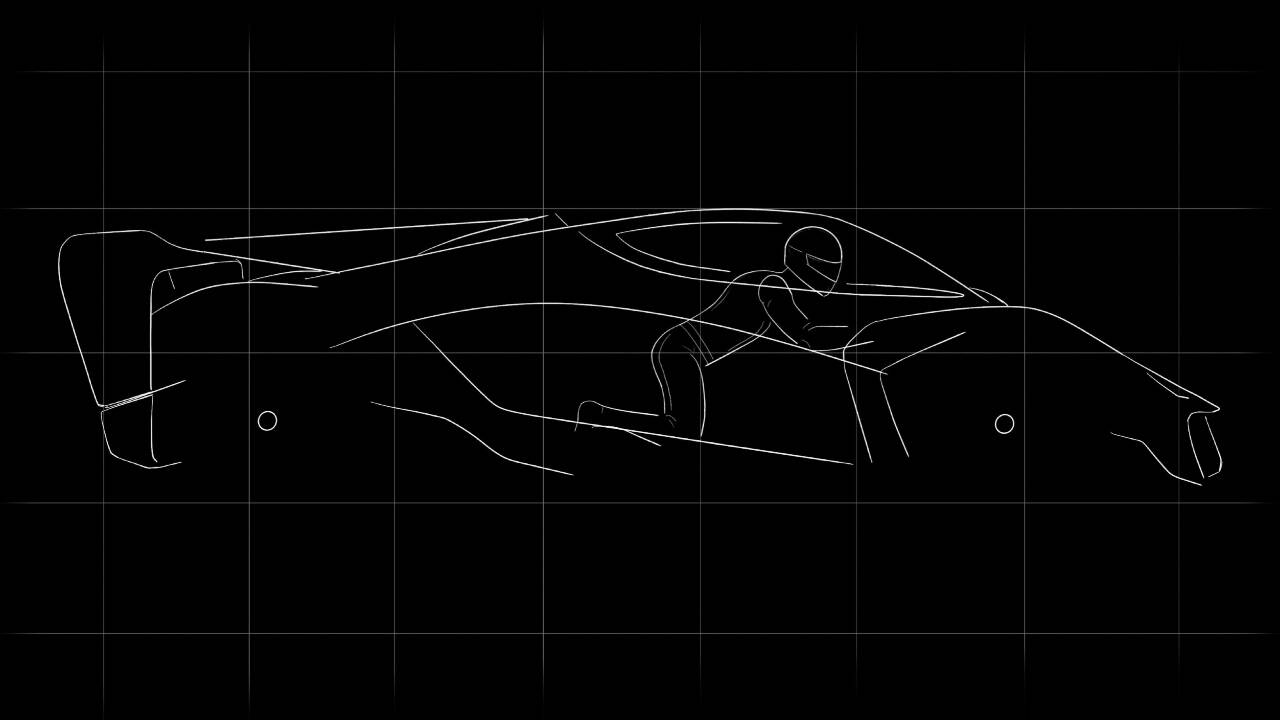
The company says the setup offers more visibility and allows drivers to judge corners and track their position more accurately. It also wants the driver to feel more engaged during acceleration, braking and cornering, rather than distanced from the vehicle’s handling.Sanrivatti founder and CEO Santiago Sanchez Rivero said the idea came from a simple question. why does the connection between rider and machine feel so much faster on a motorcycle than it does in most high performance cars?Cars, they argue, do the opposite. Components of construction, packaging and assembly sit between the driver and the road. The faster the car, the more the technology complements the experience rather than amplifying it.Apex Position is Sanrivatti’s attempt to bridge this gap. The driver sits in the center of the car, leaning forward instead of leaning back. The field of vision is wide. Parking is easy. The driver, in a sense, ceases to be a passenger attached to the high-speed machine and becomes an active part of it.Sanrivatti says the development of the prototype is progressing rapidly and more details about the hypercar will be revealed in the coming months. For now, the company’s focus is on its core concepts. building a hypercar around the driver and not around the machine.